Subterranean termites are among the most destructive and persistent pests homeowners can face. Unlike other insects that are easier to spot and remove, these termites operate silently and strategically, making them extremely difficult to eliminate. By the time visible damage appears, the infestation is often well-established and requires professional intervention.
Understanding what makes subterranean termites so challenging to control is the first step toward protecting your property and choosing the right Subterranean Termite Control Solutions.
1. They Live Underground
One of the biggest reasons subterranean termites are hard to eliminate is their hidden lifestyle. These termites build colonies underground, often several feet below the surface. This allows them to remain protected from environmental threats and most surface-level treatments.
Because they live beneath the soil, standard pest control methods may not reach the entire colony. Even if termites inside your home are treated, the underground colony can survive and continue to grow.
2. Massive Colony Size
Subterranean termite colonies can contain hundreds of thousands to even millions of termites. This large population makes complete eradication extremely difficult.
- Eliminating a few visible termites doesn’t solve the problem
- The queen continues to reproduce rapidly
- The colony can quickly rebuild itself
This is why professional Subterranean Termites Removal strategies focus on targeting the entire colony rather than just surface activity.
3. They Remain Hidden for Long Periods
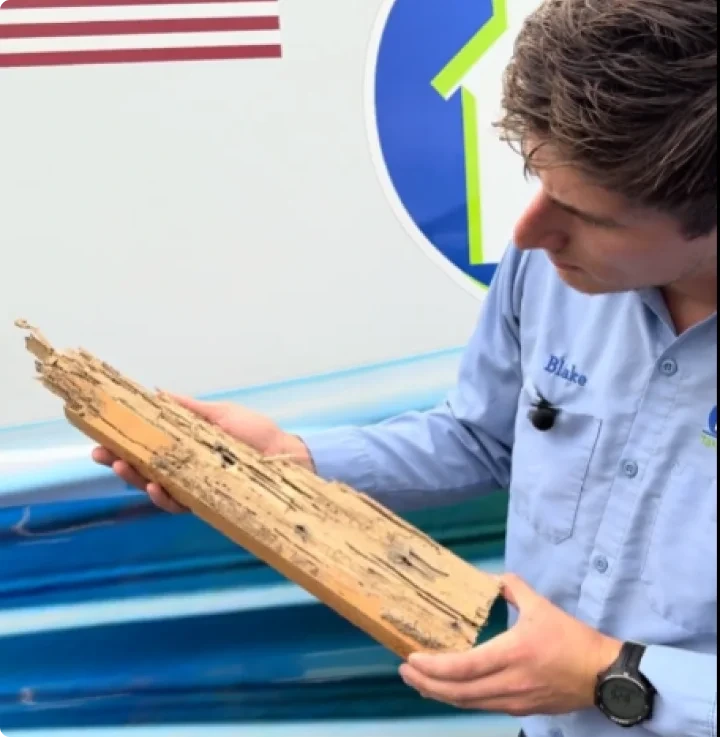
Subterranean termites are often called “silent destroyers” for a reason. They work from the inside out, feeding on wood structures without obvious signs.
Common hiding behaviors include:
- Building mud tubes inside walls
- Traveling through foundations
- Staying inside wooden structures
Because of this, infestations can go unnoticed for months or even years, making treatment more complex once discovered.
4. They Thrive in Moist Environments
Moisture is essential for subterranean termites to survive. They are naturally attracted to damp areas such as:
- Leaky pipes
- Poor drainage systems
- Humid crawl spaces
This dependence on moisture makes many homes ideal environments for infestation. Unless moisture issues are addressed alongside treatment, termites can easily return even after removal.
5. Multiple Entry Points
Subterranean termites can enter a property through extremely small cracks—sometimes as tiny as 1/32 of an inch. These entry points are often found in:
- Foundation gaps
- Utility line openings
- Expansion joints
Because these entry points are difficult to detect, sealing them all can be a challenge. Even if one area is treated, termites may find alternative routes to access your home.
6. They Can Reinfest Easily
Another major challenge is reinfestation. Even after successful treatment, new termite colonies can form nearby and invade your property again.
Factors that increase reinfestation risk:
- Untreated surrounding soil
- Nearby infested structures
- Lack of ongoing monitoring
This is why long-term Subterranean Termites Services often include monitoring systems and preventive treatments.
7. DIY Methods Are Often Ineffective
Many homeowners attempt to handle termite problems using over-the-counter products. While these may kill visible termites, they rarely address the root of the problem.
DIY limitations:
- Do not reach the underground colony
- Provide only temporary relief
- Can worsen the infestation by scattering termites
Professional-grade Subterranean Termite Control Solutions are specifically designed to eliminate entire colonies and prevent recurrence.
8. Complex Treatment Requirements
Effective termite control is not a one-step process. It requires a combination of techniques, such as:
- Soil treatments
- Baiting systems
- Barrier protection
Each property is different, so treatment plans must be customized. This complexity is another reason why subterranean termites are difficult to eliminate without expert help.
9. Time-Consuming Elimination Process
Unlike other pests that can be removed quickly, termite elimination takes time. Baiting systems, for example, rely on termites carrying treatment back to the colony, which gradually eliminates it.
While this method is effective, it requires patience and continuous monitoring to ensure complete success.
Final Thoughts
Subterranean termites are difficult to eliminate because of their hidden nature, large colonies, and ability to adapt and survive. Simple or temporary solutions are rarely effective, and long-term protection requires a strategic, professional approach.
If you’re dealing with an infestation or want to prevent one, investing in reliable Subterranean Termites Services is essential. From advanced Subterranean Termite Control Solutions to complete Subterranean Termites Removal, expert support ensures your home stays protected.
Brantley Termite & Pest Control provides trusted and effective termite solutions tailored to your needs. With proven methods and experienced professionals, they help eliminate termites at the source and protect your property for the long term.
April 22, 2026